Canada Immigration Daily Update – March 19, 2026
Canada Immigration Daily Update – March 19, 2026

Canada Immigration Daily Brief – March 19, 2026
Canada’s Immigration Backlog Falls Below One Million Milestone in 2026
In a significant shift for national administrative operations, Canadian immigration authorities have confirmed that the total processing backlog has officially dipped below the one-million mark as of 2026. This milestone marks a critical turning point in the government’s ongoing efforts to streamline its immigration system and reduce wait times for applicants worldwide.
For years, the immigration backlog has been a focal point of debate and policy scrutiny, impacting prospective residents, families, and economic migrants alike. The reduction suggests that recent improvements in processing efficiency and operational adjustments within the immigration department have begun to yield measurable results.
While the backlog remains a substantial figure, this downward trend provides a clearer outlook for the Canadian immigration landscape. Moving forward, stakeholders will be looking for sustained momentum to ensure that service standards continue to improve for those navigating the complex application processes.
This development arrives at a time when the government continues to recalibrate its approach to migration, balancing administrative capacity with national objectives. By successfully clearing a portion of the long-standing queue, the system is positioned to handle new incoming applications with greater agility and reduced pressure on existing resources.
#CanadaImmigration #ImmigrationNews #CanadaPolicy #VisaProcessing #GovernmentMilestone
A Necessary Call for a Rational Immigration Strategy
The current discourse surrounding immigration policy is increasingly marked by a sense of urgency, prompting many to re-evaluate the foundational structures that govern how individuals enter and integrate into the country. As debates intensify, observers argue that the time has come for a methodical return to a more predictable and sustainable immigration model.
Central to this perspective is the belief that immigration systems function best when they are built upon clarity and long-term planning. By establishing clear parameters, policymakers can ensure that the intake of new residents aligns with the economic and social capacity of the nation, fostering a environment where both newcomers and established citizens can thrive.
Advocates for a renewed approach emphasize that ‘sane’ immigration is not about closing borders, but rather about restoring order and public confidence in the process. A balanced system, they suggest, relies on objective metrics and a commitment to maintaining the integrity of social services, housing, and infrastructure as population growth continues.
Moving forward, the focus is expected to shift toward crafting policies that prioritize stability. By grounding immigration discussions in facts and measurable outcomes, leadership can work toward a framework that is both humanitarian in its values and pragmatic in its implementation, addressing the concerns of a diverse and vocal electorate.
#ImmigrationPolicy #PublicPolicy #NationalStrategy #TheGlobeAndMail
Navigating Barriers: Immigration Hurdles Stifle Critical Health-Care Recruitment
A healthcare professional has spoken out regarding the significant challenges within the current immigration system, highlighting how restrictive policies are creating obstacles for essential medical recruitment. The nurse’s comments follow the personal rejection of a permanent residency application, an outcome that serves as a case study for the broader difficulties faced by foreign-trained staff.
For the healthcare sector, which relies heavily on international expertise to bolster its workforce, these bureaucratic hurdles can have profound implications. When qualified nurses and medical staff are unable to secure long-term residency, it not only impacts their professional future but also disrupts the stability of health services that are already under significant strain.
The situation underscores a growing friction between national immigration frameworks and the urgent demand for labor in the medical field. By raising these concerns, the individual is calling attention to the need for policies that better align with the reality of healthcare staffing shortages and the critical importance of retaining skilled personnel who have already integrated into the system.
#Healthcare #Immigration #Nursing #PublicPolicy #WorkforceDevelopment
Addressing the Crisis: Evaluating Canada’s Asylum and Immigration Framework
The Macdonald-Laurier Institute has released the third volume of its ongoing series focused on fixing Canada’s immigration system. This latest installment features insights from Michael Barutciski, who examines the growing intersection between asylum claims and broader patterns of mass migration.
As the Canadian immigration landscape faces increasing scrutiny, the report highlights the systemic challenges inherent in the current asylum process. Barutciski explores how shifting definitions and operational pressures have transformed the way the nation manages those seeking protection, suggesting that the current framework requires significant reform.
The analysis delves into the complexities of balancing humanitarian obligations with the functional integrity of immigration policy. By dissecting the current state of affairs, the institute aims to provide a clear roadmap for policymakers to address inefficiencies that have developed over time.
Ultimately, the document serves as a critical contribution to the national conversation regarding immigration reform. It emphasizes the need for a more sustainable, transparent, and effective approach to managing the influx of asylum seekers to ensure the integrity of the broader immigration ecosystem.
#CanadaImmigration #AsylumPolicy #MacdonaldLaurierInstitute #PublicPolicy #ImmigrationReform
Canada Slips in Global Happiness Rankings, Landing at 25th Place
Canada has experienced a notable decline in the latest world happiness rankings, according to a recent report. The nation, which has historically maintained a position near the top of international well-being assessments, has now descended to 25th place.
This shift in standings reflects broader data collected regarding the quality of life and subjective well-being of citizens across the country. The findings highlight a changing landscape for Canadian society in the context of global happiness metrics.
As researchers continue to evaluate the factors contributing to these rankings, the drop serves as a key indicator of current trends. The report underscores the importance of ongoing monitoring of social and economic conditions to understand what influences the national happiness index.
#Canada #HappinessReport #GlobalRankings #QualityOfLife #WellBeing
Canada Overhauls Immigration Strategy: Temporary Resident Levels Slashed and PR Targets Stabilized
The Canadian government has unveiled a significant shift in its immigration policy, signaling a strategic move to adjust the nation’s population growth targets. Under the newly announced plan, officials are set to implement a reduction in the number of temporary residents allowed into the country, marking a departure from previous intake trends.
Central to this updated framework is a recalibration of permanent residency admissions. The government has committed to fixing the annual intake of permanent residents at 380,000. This move is designed to provide greater clarity and sustainability for the immigration system as it seeks to balance economic needs with infrastructure and housing capacity.
Industry analysts suggest that these adjustments reflect a broader effort to manage the pace of population expansion more effectively. By setting clear parameters for both temporary and permanent residents, the administration aims to ensure that immigration remains a cornerstone of the Canadian economy while maintaining social and infrastructure stability.
As the policy takes effect, stakeholders across various sectors—including education, labor, and housing—will be monitoring the impacts of these caps. The shift represents a coordinated effort by federal authorities to refine the immigration landscape in response to evolving national priorities.
#CanadaImmigration #PolicyUpdate #PermanentResidency #EconomicStrategy #ImmigrationReform
CBSA Launches Extensive Investigation Into Canadian Extortion Networks
The Canada Border Services Agency (CBSA) has officially initiated 372 distinct immigration investigations aimed at dismantling organized extortion networks operating within the country. This strategic move highlights the agency’s growing commitment to addressing criminal activities that exploit Canada’s immigration system.
By targeting these networks, the CBSA intends to disrupt the operational capacity of those who use coercion and intimidation tactics against vulnerable individuals. These investigations represent a broader effort to maintain the integrity of immigration processes and ensure the safety of those seeking a new life in Canada.
The scope of these 372 cases reflects the seriousness with which authorities are viewing the rise of such illicit operations. Officials are working to identify the key players involved in these extortion schemes and prevent further harm to affected populations.
As these investigations proceed, the agency is focusing on gathering intelligence and evidence that will lead to meaningful disruption of these criminal channels. The initiative serves as a stern warning to those attempting to facilitate or participate in extortion under the guise of immigration services.
#CBSA #CanadaImmigration #PublicSafety #LawEnforcement #AntiExtortion
NDP Candidate Avi Lewis Calls for Urgent Overhaul of Canada’s Immigration System
Federal NDP candidate Avi Lewis has publicly addressed the current state of Canada’s immigration system, characterizing it as fundamentally broken. In his latest campaign statements, Lewis underscored the necessity for significant structural changes to address the ongoing challenges faced by newcomers and the systems meant to support them.
The proposed agenda focuses on sweeping reforms designed to improve accessibility and fairness within the immigration process. By highlighting these systemic issues, Lewis aims to draw attention to the hurdles that many prospective Canadians encounter when navigating the country’s bureaucratic landscape.
As the debate surrounding national immigration policy intensifies, Lewis’s commitment to reform signals a push for a more responsive and equitable approach. His platform suggests that meaningful transformation is required to ensure that the Canadian immigration framework reflects the nation’s values and addresses current socioeconomic realities.
#AviLewis #NDP #CanadianImmigration #ImmigrationReform #Politics
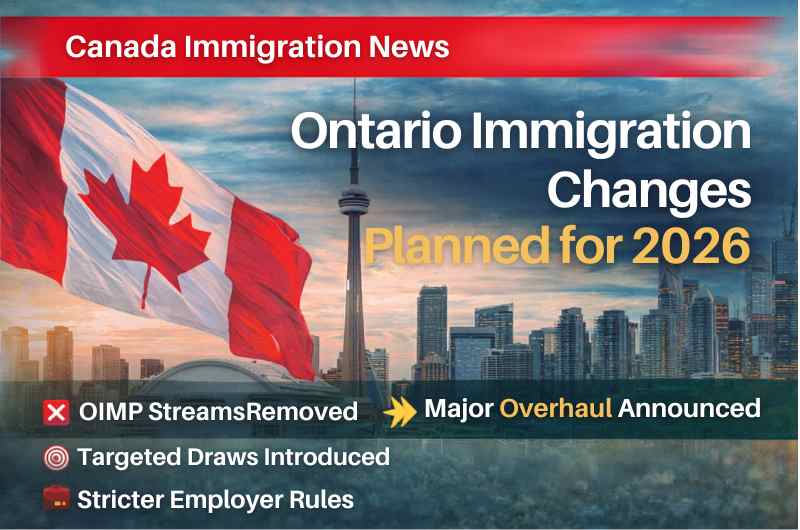
Ontario Issues 1,243 Permanent Residence Invitations in Latest OINP Draws
The Ontario Immigrant Nominee Program (OINP) has officially announced the results of six recent immigration draws. These selection rounds have resulted in a total of 1,243 invitations being issued to prospective permanent residents, marking a significant development for those seeking to settle in the province.
This latest surge in activity demonstrates Ontario’s ongoing commitment to addressing its labor market needs through targeted immigration pathways. By bringing in skilled individuals, the province aims to bolster its diverse workforce and sustain long-term economic growth across various key sectors.
Candidates who have received an invitation through these specific draws will now be able to proceed with their applications for permanent residence. As the OINP continues to operate its various streams, participants are encouraged to keep their profiles updated and remain informed regarding the specific requirements for their designated categories.
#OntarioImmigration #OINP #CanadaPR #ImmigrationNews #PermanentResidence
Source: NEXUS Conferences & Canadian media sources
Assessment Form: Click here