Canada Immigration Daily Update – March 05, 2026
Canada Immigration Daily Update – March 05, 2026

Canada Immigration Daily Brief – March 05, 2026
Canada immigration news for March 5, 2026 includes a major Express Entry draw targeting French-speaking candidates, a new Canadian Experience Class draw issuing 4,000 invitations, updates on work permit extensions for Iranian nationals, and growing concerns about labour shortages as foreign workers leave Canada.
Canada Issues Massive Invitation Round Targeting French-Speaking Immigrants
Canada has announced a significant draw under its Express Entry system, extending 5,500 invitations to candidates with French-language skills. This focused approach underscores the Canadian government’s commitment to bolstering linguistic diversity within its skilled workforce and meeting demographic targets in both official languages.
The Express Entry system manages applications for permanent residence from skilled workers wishing to immigrate to Canada under programs like the Federal Skilled Worker Program, the Federal Skilled Trades Program, and the Canadian Experience Class. Targeted draws, such as this French-language-specific selection, are a key mechanism for achieving broader national economic and cultural goals.
Issuing 5,500 invitations in a single draw highlights the high priority placed on candidates who can contribute to Francophone communities outside of Quebec. These immigrants often play a vital role in maintaining and growing French language presence across various provinces and territories, contributing to the country’s dual linguistic identity.
Candidates who receive these invitations will now be eligible to submit their applications for permanent residence. The precise cut-off score for this round, which determines which candidates are selected, is a crucial piece of data for those monitoring the competitive landscape of Canadian immigration pathways.
#ExpressEntry #CanadaImmigration #FrenchLanguage #SkilledWorkers #PermanentResidence
Labor Crisis Looms: Canadian Businesses Struggle as Foreign Worker Exodus Intensifies
Canadian businesses are facing a growing predicament as reports indicate a significant scramble to cover open positions following a noticeable departure of foreign workers from the country. This trend is creating immediate staffing shortages across various sectors, threatening to impede economic recovery and operational stability for numerous enterprises.
The influx of temporary foreign workers has long been a crucial component in bridging labor gaps within the Canadian economy, particularly in industries experiencing domestic labor shortages. Their departure, for reasons that are currently under close scrutiny, is forcing companies to rapidly reassess their recruitment strategies and operational capacities.
Industry leaders and human resources specialists are reporting increased difficulty in maintaining baseline staffing levels necessary to meet current demand. This intense competition for available talent is likely to place upward pressure on domestic wages and operational costs, while simultaneously hindering the ability of some firms to scale up production or service delivery.
The situation demands urgent attention from policymakers, as the reliance on international labor pools is a structural reality for several key areas of the Canadian market. A sustained reduction in this vital workforce could have ripple effects far beyond individual company balance sheets, potentially impacting supply chains and consumer services nationwide.
#ForeignWorkers #LaborShortage #CanadianEconomy #JobMarket #StaffingCrisis
Canada Revitalizes Work Permit Extensions for Iranians Amidst Evolving Immigration Policies
Canada has announced a significant update to its immigration policies, specifically targeting Iranian nationals. The nation is revitalizing measures designed to assist Iranians in obtaining extensions for their work permits, signaling a proactive approach to supporting this demographic.
This development underscores Canada’s ongoing commitment to facilitating the stay and integration of individuals seeking to live and work within its borders. The revitalization of these measures aims to streamline the application process for work permit extensions, potentially offering greater ease and accessibility for eligible applicants currently residing in the country.
While specific details regarding the enhanced measures were not immediately provided, the overarching objective is clearly to facilitate the continued presence of Iranian workers in Canada. This initiative is anticipated to provide crucial clarity and support for Iranians as they navigate their immigration status and employment opportunities within the Canadian landscape.
#CanadaImmigration #WorkPermitExtensions #IranianNationals #ImmigrationNews #CanadaPolicies
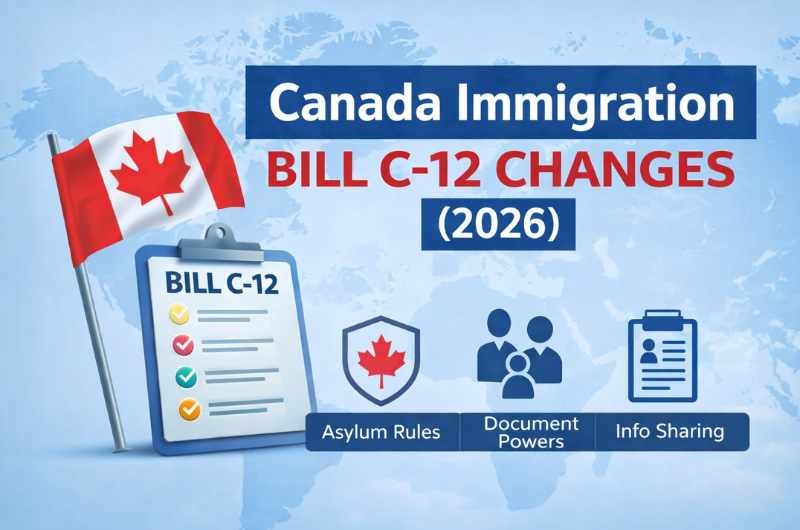
CBA Issues Urgent Plea: Senate Must Slow Down on Bill C-12
The Canadian Bar Association (CBA) has formally urged the Senate to exercise caution and adopt a more deliberate pace in its review of Bill C-12. This call for a slowdown signals the association’s concern regarding the legislative process, emphasizing the importance of thorough scrutiny over expedited passage.
The intervention from the CBA suggests a critical need for extended deliberation on the proposed legislation. While specific reasons for their request are not detailed, such appeals typically arise when organizations believe a bill requires more comprehensive analysis, expert input, or consideration of its potential far-reaching impacts on legal frameworks and Canadian society.
This move highlights the vital oversight role of the Senate in Canada’s parliamentary system. By requesting a deceleration, the CBA underscores its commitment to ensuring that new laws are carefully crafted and thoroughly vetted, safeguarding against unintended consequences and promoting robust governance. The call for a slower pace indicates a preference for meticulous legislative review at this crucial stage.
#CBAPolicy #BillC12 #CanadianSenate #LegislativeReview #CanadianLaw
Canada Prepares to Announce New Deputy Minister of Immigration
Canada is on the verge of appointing a new Deputy Minister of Immigration. This significant development signals an upcoming change in the bureaucratic leadership responsible for overseeing the nation’s immigration policies and programs.
The Deputy Minister position is critical within the Canadian federal government, playing a pivotal role in the operational management and strategic direction of Immigration, Refugees and Citizenship Canada (IRCC). The individual selected for this post will be tasked with implementing government directives, managing departmental resources, and advising the Minister on a wide array of complex immigration matters.
While details regarding the specific individual or the exact timing of the announcement remain forthcoming, the appointment of a new Deputy Minister often precedes or accompanies shifts in administrative priorities or departmental focus. This leadership change is anticipated to influence how Canada’s immigration system navigates current challenges and future opportunities, ensuring the continued effective processing of applications and integration of newcomers.
This upcoming appointment underscores the Canadian government’s ongoing commitment to its immigration portfolio, a cornerstone of its economic and social fabric. The new Deputy Minister will be instrumental in maintaining the integrity and efficiency of a system that welcomes hundreds of thousands of immigrants, refugees, and international students annually, contributing significantly to the country’s growth and diversity.
#CanadaImmigration #ImmigrationPolicy #DeputyMinister #IRCC #CanadianGovernment
Analysis: Which Stakeholders Supported the Liberals’ Controversial Immigration Expansion?
A recent analysis highlights a specific group of stakeholders who reportedly voiced support for the Liberal government’s significant expansion of immigration policies. This development has sparked considerable debate across the political spectrum regarding the long-term effects on the national landscape and infrastructure.
The core of the discussion centers on identifying the vested interests that actively endorsed this growth in intake figures. Understanding the motivations of these cheering parties is crucial for a comprehensive assessment of the policy’s trajectory and intended benefits, as perceived by those directly involved in its advocacy.
Proponents of the expansion often cite economic imperatives, suggesting that increased immigration is a necessary component for filling labor gaps and sustaining demographic growth required for a competitive economy. These stakeholders likely view the expansion as a vital mechanism for meeting immediate workforce demands.
However, the term ‘devastating’ used in the commentary suggests a strong counter-narrative exists. Critics often focus on the strain that rapid population growth places on public services, housing affordability, and social integration processes within established communities. The tension between perceived economic necessity and localized strain forms the crux of the ongoing national conversation.
Further scrutiny into the specific segments of the business community, academic institutions, or other influential bodies that aligned with the government on this issue will provide deeper insight into the political coalition supporting such ambitious demographic planning. The alignment of these interests with federal policy signals a significant prioritization of certain economic goals.
Ultimately, the public discourse now requires a balanced look at the evidence supporting both the immediate economic gains championed by these stakeholders and the structural challenges raised by opponents of the expansion.
#ImmigrationPolicy, #LiberalGovernment, #StakeholderAnalysis, #NationalDebate, #
Major Milestone: Express Entry Draw #400 Targets 4,000 CEC Candidates for Permanent Residency
In a significant development for immigration applicants across Canada, Express Entry Draw number 400 has officially been conducted, signaling another key moment in the nation’s immigration processing schedule. This specific draw focused intently on candidates within the Canadian Experience Class (CEC) stream, a pathway vital for those already possessing valuable Canadian work and study experience.
The official notification indicates that precisely 4,000 Invitations to Apply (ITAs) were issued to eligible candidates under the CEC category. This targeted approach highlights the government’s commitment to retaining skilled workers who are already integrated into the Canadian labour market and social fabric. Such draws are crucial for meeting economic and demographic goals across various provinces.
The threshold score required for receiving an invitation in this round will be a critical data point for future applicants benchmarking their Comprehensive Ranking System (CRS) scores. While the exact score is tied to the volume and quality of applicants in the pool at the time of the draw, the issuance of 4,000 invitations suggests a strong commitment to processing applications under this specific category.
Immigration consultants and applicants alike are closely analyzing the implications of Draw #400, particularly as the federal government continues to manage fluctuating immigration targets and application backlogs. Success in this draw validates the career and educational investments made by CEC candidates within Canada.
This round reinforces the importance of maintaining strong profiles within the Express Entry system. Candidates who received an ITA now move to the formal application stage for permanent residence, marking a major step towards establishing long-term futures in Canada.
#ExpressEntry #CEC #PermanentResidence #ImmigrationCanada #ITADraw
Record Enrollment Signals Hope Amidst Critical Shortage of French Teachers
The University of Prince Edward Island (UPEI) is currently experiencing a significant surge in interest for its teacher training programs, a development that arrives at a critical juncture for French language education across the region.
This notable increase in enrollment comes as many institutions and school boards across Canada continue to grapple with a substantial shortage of qualified French instructors. The demand for educators proficient in teaching in or through the French language has consistently outpaced the available supply for several years, creating systemic challenges in maintaining robust language programs.
UPEI’s program, designed to cultivate the next generation of French educators, is now reporting record numbers of prospective students entering its training pipeline. This influx suggests a growing commitment among individuals to enter the profession and address the documented staffing gaps.
While the current high enrollment figures offer a promising outlook for future staffing needs, experts caution that there remains a significant lag between training completion and immediate classroom availability. Nevertheless, this strong pipeline is viewed as a crucial step in mitigating the ongoing struggle faced by educational authorities trying to fill vacancies.
#FrenchEducation #UPEI #TeacherTraining #StaffingCrisis #LanguagePrograms
Source: NEXUS Conferences & Canadian media sources
Assessment Form: Click here