Articles
Read the latest

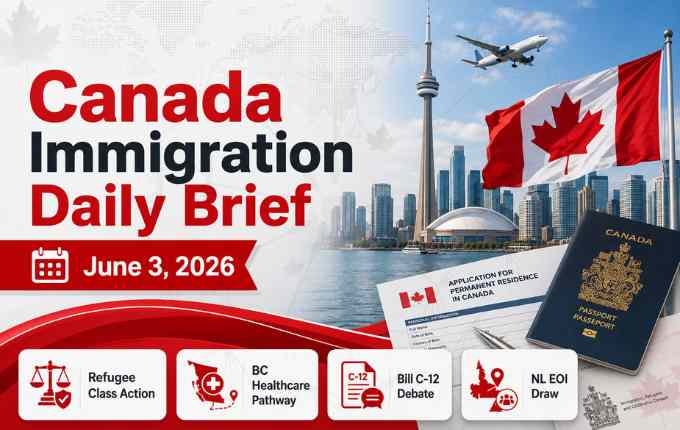
Today’s Canada Immigration Daily Brief covers key updates on refugee rights litigation, BC’s rural healthcare immigration pathway, Bill C-12 immigration law debates, long PR delays for accepted refugees in Quebec, Alberta immigration discussions, and Newfoundland and Labrador’s latest immigration draw.
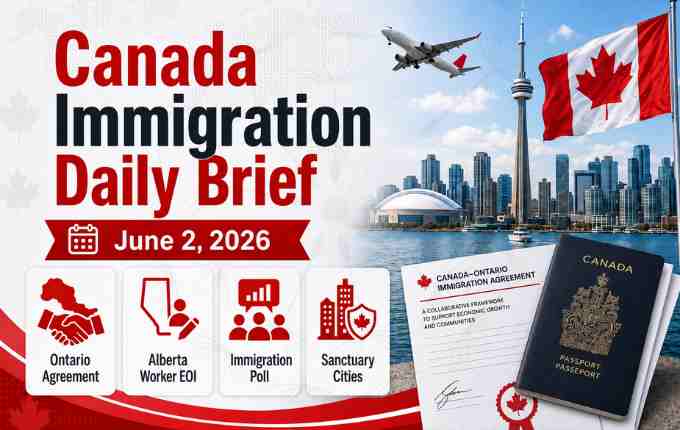
Today’s Canada Immigration Daily Brief covers key updates on the Canada-Ontario Immigration Agreement, Alberta’s Worker Expression of Interest system, Canadian public opinion on immigration levels, sanctuary city policies, migrant contributions, and broader immigration policy debates.
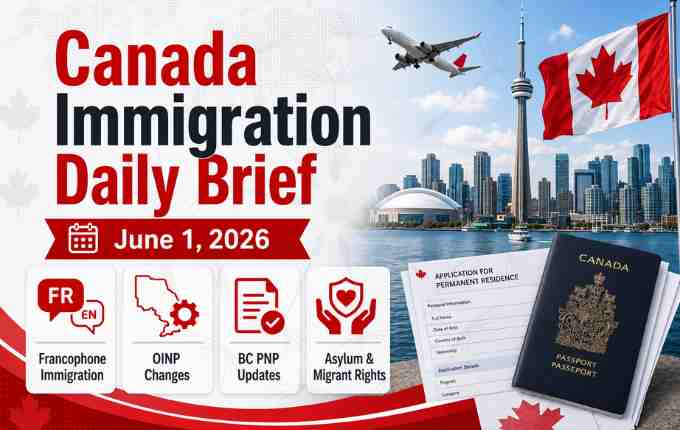
Today’s Canada Immigration Daily Brief covers key updates on Francophone immigration, Ontario’s changing provincial immigration strategy, BC PNP Skills Immigration guides, Newfoundland and Labrador’s latest immigration draw, Iranian asylum seekers, and migrant worker rights in Canada.
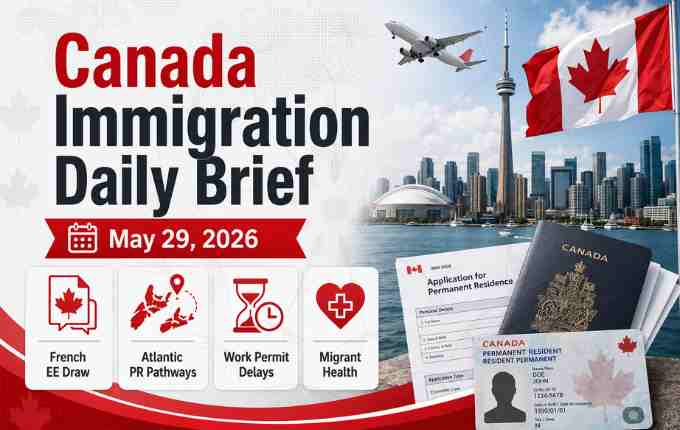
Today’s Canada Immigration Daily Brief covers key updates on Canada’s French-language Express Entry draw, Atlantic immigration pathways, work permit processing delays, migrant health care proposals, student visa delays, and other important immigration and public policy developments.
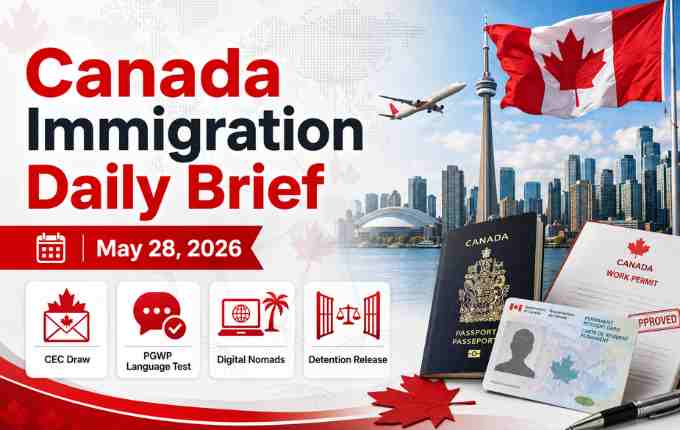
Today’s Canada Immigration Daily Brief covers key updates on Canada’s resumed CEC Express Entry draw, PGWP language test requirements, digital nomad financial rules, immigration detention, youth unemployment discussions, and other important immigration and policy developments.
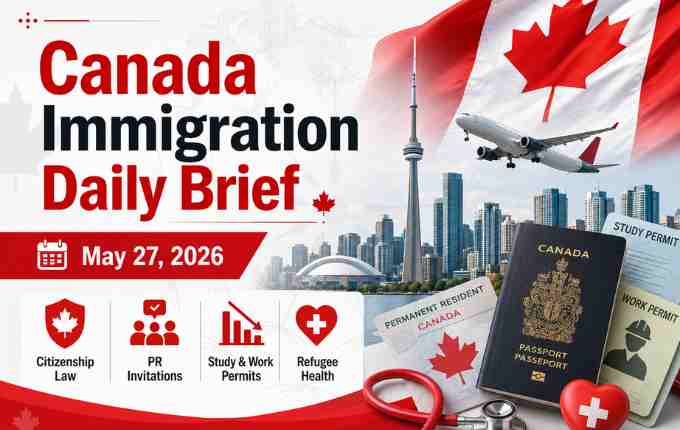
Today’s Canada Immigration Daily Brief covers key updates on Canadian citizenship law, new permanent residency invitations, Canada’s sharp decline in student and worker permit arrivals, refugee health care policy discussions, and other important immigration and public policy developments.
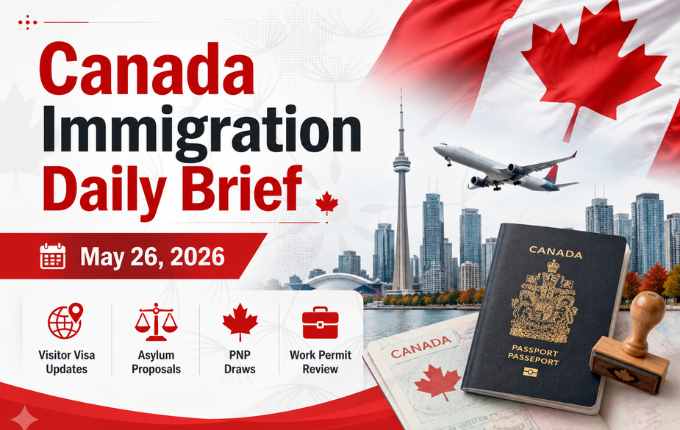
Today’s Canada Immigration Daily Brief covers key updates on Canada’s visitor visa rules for Indonesia and Malaysia, asylum seeker settlement discussions, consecutive PNP-focused Express Entry draws, a Federal Court work permit decision, and other important immigration and legal developments.
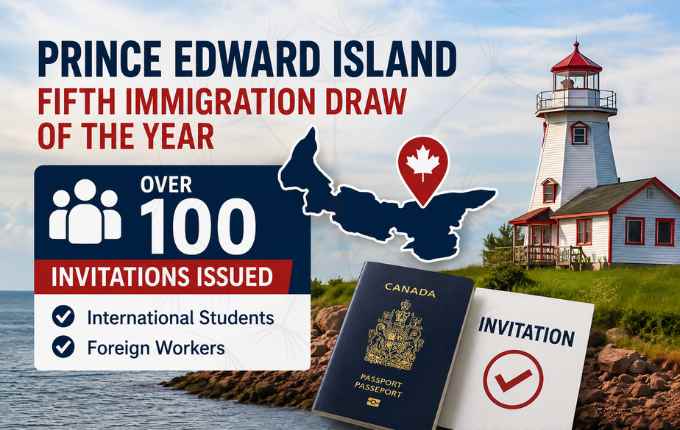
Today’s Canada Immigration Daily Brief covers Prince Edward Island’s fifth immigration draw of 2026, where the province issued more than 100 invitations to international students and foreign workers. The update highlights PEI’s continued efforts to attract skilled talent, address regional labour needs, and strengthen its local workforce.
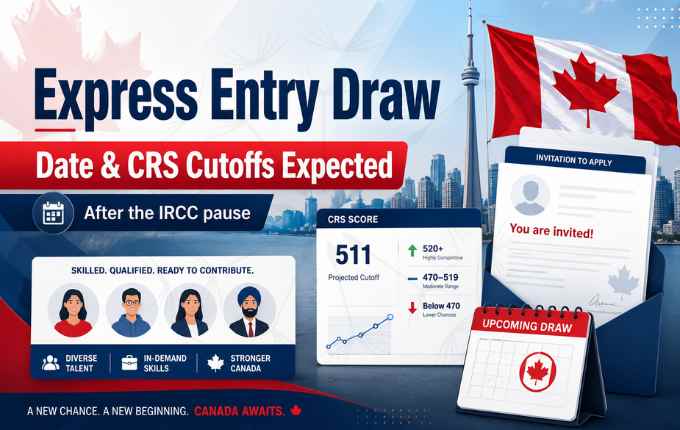
After a pause in Express Entry activity, candidates are waiting for IRCC to announce the next draw date and CRS cutoff scores. The update is important for applicants in the Federal Skilled Worker Program, Federal Skilled Trades Program, Canadian Experience Class, and other Express Entry pathways.
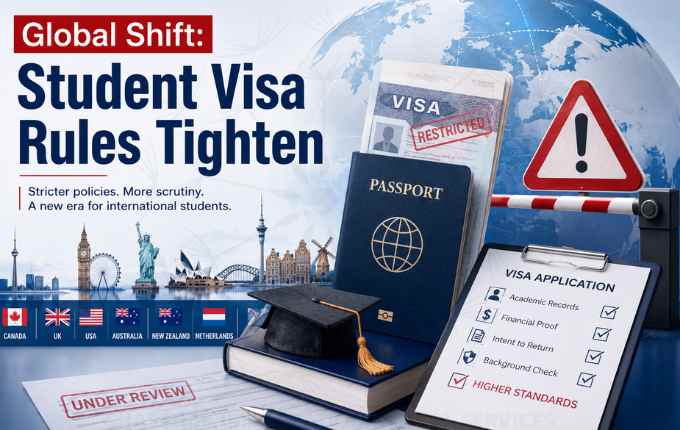
Several major countries are introducing stricter student visa regulations as governments respond to rising migration levels, institutional compliance concerns and pressure on public infrastructure. These changes may affect international students, universities and future study-abroad planning.
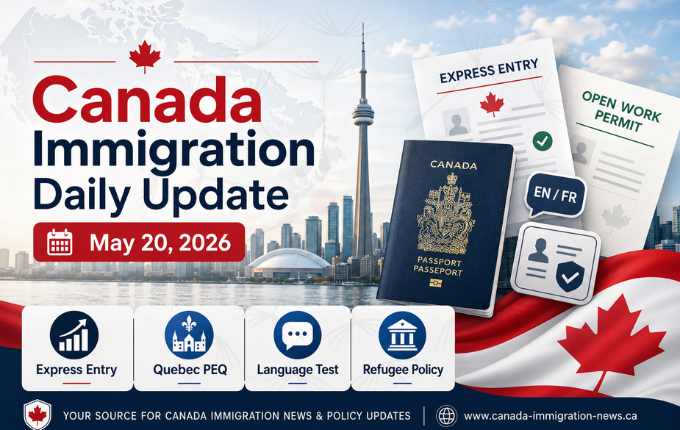
Canada’s immigration updates for May 20, 2026 include proposed Express Entry changes for high-income applicants, new language testing requirements for open work permits, concerns over Quebec’s PEQ program, a government survey on immigration services, and legal developments affecting refugee policy.
Canada’s latest immigration news includes major asylum law challenges before the Federal Court, Quebec’s faster PR pathway for foreign workers, new IRCC transparency updates, skilled trades immigration for housing development, and May 2026 processing time updates.
Canada’s latest immigration news includes major asylum law challenges before the Federal Court, Quebec’s faster PR pathway for foreign workers, new IRCC transparency updates, skilled trades immigration for housing development, and May 2026 processing time updates.
Today’s Canadian immigration update covers a new Express Entry PNP draw, Quebec’s skilled worker program review, Newfoundland and Labrador’s latest PNP invitations, West Kootenay intake changes, asylum law challenges, visa hub security concerns, and provincial immigration developments in Alberta and British Columbia.
Today’s Canada immigration update highlights internal concerns about visa processing security abroad, new processing timeline updates for Express Entry and PNP applications, public consultations for 2026 immigration levels, rising unemployment discussions, and new asylum-related concerns affecting vulnerable claimants.
Canada’s immigration updates for May 12, 2026 include a targeted Express Entry PNP draw, debate over Duolingo’s online language test, concerns about asylum legislation, foreign worker permits for truck drivers, CBSA travel guidance for Victoria Day, and rising scrutiny around student visa fraud.
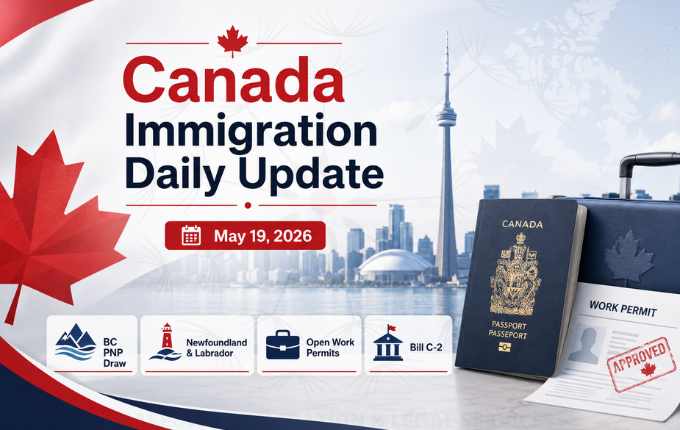
Today’s Canada Immigration Daily Brief covers major updates on global migration cooperation, New Brunswick’s new Practice Ready Assessment program for international physicians, BC’s latest 333 invitations for essential workers, and important 2026 news affecting home care workers and citizenship certificate processing.
This Canadian Immigration Daily Brief highlights key updates from May 8, 2026, including Ontario’s expected decline in international student enrollment, new BC PNP Skills Immigration and Entrepreneur draws, Quebec’s reopening of a major PR pathway, new tracking measures for temporary residents, and ongoing debates around immigration policy and enforcement.
Canada’s immigration news for May 7, 2026 includes New Brunswick issuing 250 invitations, Quebec reopening the PEQ pathway, Manitoba announcing new priority pathways for skilled work permit holders, and federal updates on restoring temporary resident status.
This Canada Immigration Daily Brief covers key updates on temporary foreign worker departure tracking, accelerated rural permanent residence processing, Newfoundland and Labrador’s latest PNP invitations, BC’s new sector-focused immigration priorities, and other important policy developments.
Canada Immigration Daily Update – May 04, 2026 | PR Invitations, Express Entry, PNP & Labour Updates
Canada’s immigration landscape continues to shift with a record number of PR invitations, new provincial nomination activity, Express Entry updates, and labour market concerns across several provinces. This May 4, 2026 immigration brief highlights the key stories applicants, employers, and immigration professionals should watch.
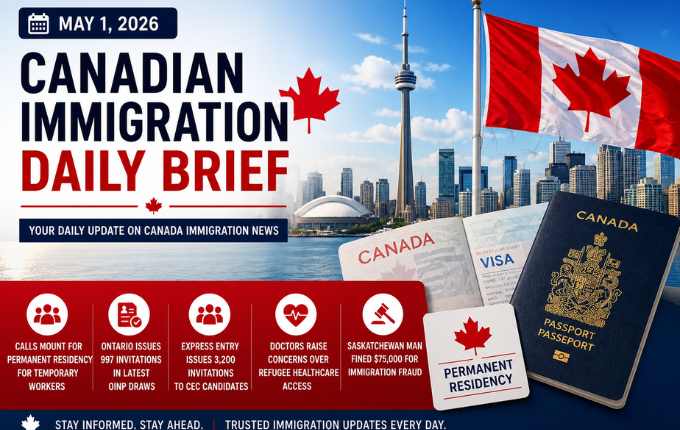
Canada’s immigration updates for May 1, 2026 include growing calls for permanent residency options for temporary workers, 997 new OINP invitations, 3,200 Express Entry invitations under the Canadian Experience Class, concerns about refugee healthcare access in Toronto, and a Saskatchewan immigration fraud case involving a $75,000 fine.
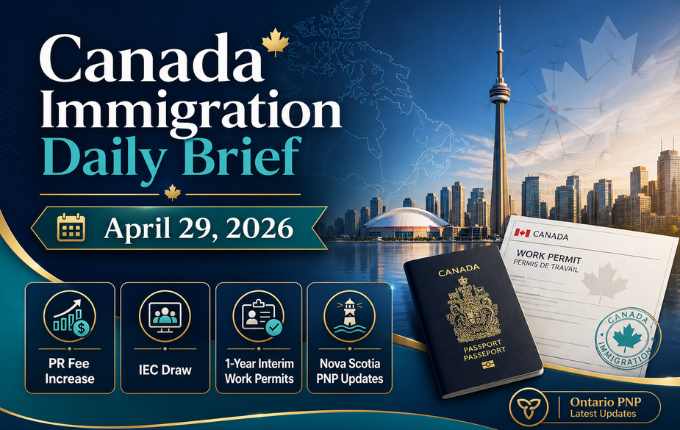
Canada’s immigration updates for April 29, 2026 include increased permanent residency application fees starting April 30, 4,447 candidates in the latest International Experience Canada draw, Ontario PNP draw challenges after more than 2,000 invitations, a one-year validity extension for interim work authorizations, and new Nova Scotia PNP priorities for healthcare and skilled trades.
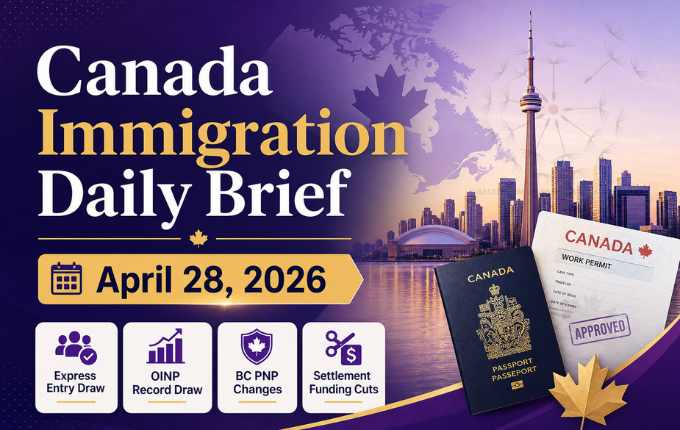
Canada’s immigration updates for April 28, 2026 include 473 new Express Entry invitations, Ontario’s record-breaking region-based OINP draw, major BC PNP pathway changes, concerns over settlement agency funding cuts, Saskatchewan’s new EPA pathway, and a survey showing discrimination challenges faced by newcomers in Canada.
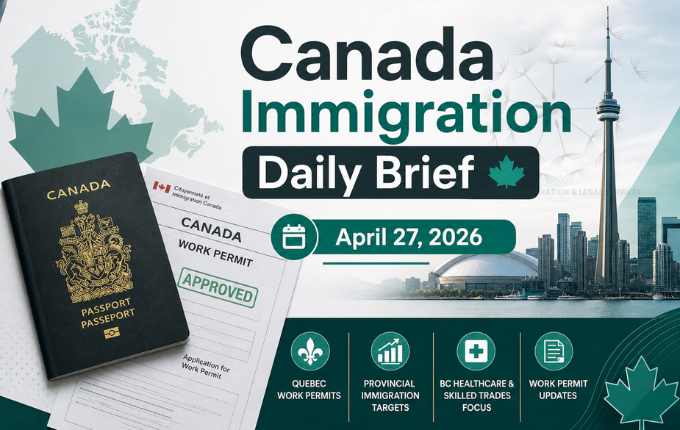
Canada Immigration Daily Update – April 27, 2026 | Quebec Work Permits, PNP Targets & BC Immigration
Canada’s immigration updates for April 27, 2026 include expanded work permit opportunities for Quebec residents with CSQs, Saskatchewan’s new EPA pathway, a 31% increase in provincial immigration targets, new asylum reform measures, updated reciprocal employment work permit rules, and British Columbia’s focus on healthcare and skilled trades.
Canada’s immigration updates for April 24, 2026 include changes affecting permanent residence fees, temporary residence backlogs, citizenship eligibility through Canadian ancestry, asylum-related healthcare costs, and ongoing legal and policy debates.
Canada’s upcoming Express Entry draws are expected to favour candidates in high-demand occupations such as healthcare, technology, skilled trades, and finance. Here is what skilled workers should know to prepare their profiles and improve their chances.
This Canadian Immigration Daily Brief covers key updates from April 22, 2026, including B.C.’s rural foreign worker changes, Saskatchewan immigration developments, possible Express Entry reforms, and other important stories affecting immigrants, employers, and communities across Canada.
Canada immigration updates for April 21, 2026, include new provincial selection rounds in Newfoundland and Labrador, 640 AAIP invitations in Alberta, British Columbia’s rural temporary foreign worker extension, entrepreneur immigration activity, and visa processing developments affecting several countries.
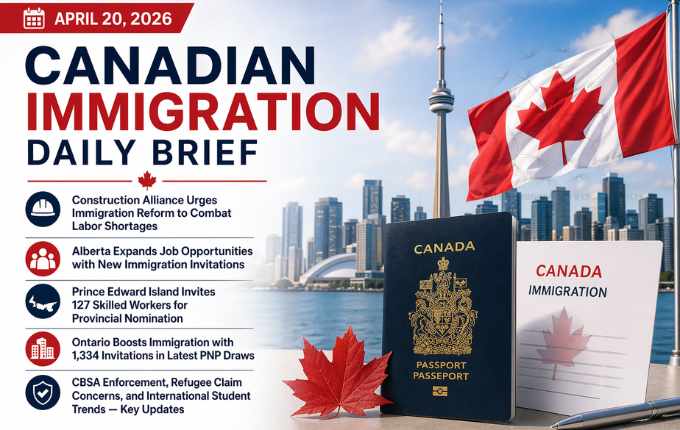
Canada immigration news roundup for April 20, 2026: Ontario issued 1,334 invitations, PEI invited 127 skilled workers, Alberta expanded invitations in key sectors, and new developments emerged on CBSA enforcement, refugee issues, and international student enrolment.